
Choosing the right IPTV supplier in 2026 isn’t as straightforward as it might seem. With hundreds of providers flooding the market, how do you separate the professionals from the fly-by-night operations? If you’ve ever dealt with buffering streams, disappearing channels, or zero customer support, you know exactly why this decision matters.
Here’s the thing: not all IPTV suppliers are created equal. Some invest heavily in infrastructure and customer experience, while others are just reselling generic streams with fancy marketing. This guide walks you through everything you need to know to make an informed choice that’ll keep your customers happy and your business thriving.
What Makes a Quality IPTV Supplier Stand Out?
A top-tier IPTV supplier does more than just provide access to channels. They’re your partner in delivering consistent, high-quality streaming experiences. The difference between a mediocre provider and an exceptional one often comes down to infrastructure, reliability, and support systems.
Quality suppliers invest in robust server networks that can handle peak demand without breaking a sweat. They maintain relationships with content sources, ensuring channel availability stays consistent. And they’re transparent about their capabilities rather than over-promising and under-delivering.
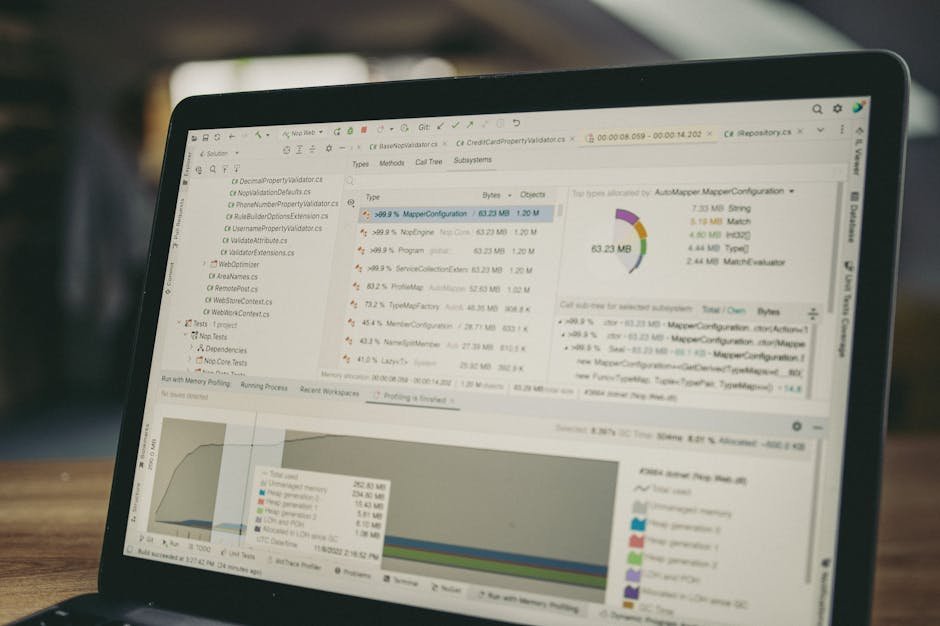
What surprises most people is how much backend work goes into maintaining a stable IPTV service. It’s not just about having the channels—it’s about the delivery mechanism, redundancy systems, and constant monitoring that keeps everything running smoothly. That’s why partnering with experienced IPTV Servers makes such a massive difference.
7 Essential Criteria for Evaluating an IPTV Supplier
Let’s break down the specific factors you should examine before committing to any IPTV supplier. These aren’t just nice-to-haves—they’re deal-breakers that’ll determine whether your partnership succeeds or fails.
1. Server Reliability and Uptime Guarantees
Your IPTV supplier’s uptime directly impacts your reputation. Look for providers offering at least 99.5% uptime guarantees backed by service level agreements. Ask about their server locations, redundancy protocols, and what happens during maintenance windows.
The best suppliers use multiple data centers across different geographic regions. This geographical distribution means if one location experiences issues, traffic automatically routes to functioning servers. It’s the kind of behind-the-scenes infrastructure that your end users never see—but they’d definitely notice if it wasn’t there.
2. Channel Lineup and Content Quality
Numbers can be deceiving. A supplier advertising 10,000 channels sounds impressive until you realize half are duplicates or low-quality feeds. Focus on channel quality over quantity. What’s the actual resolution? Are streams adaptive? Do they support multiple languages and subtitles?
Request a test account to verify content quality firsthand. Pay attention to bitrates, frame rates, and whether the supplier offers both SD and HD options. Some providers also include 4K content, which is becoming increasingly important as consumer expectations evolve in 2026.
3. Technical Support Availability
When streams go down at 2 AM, you’ll want someone on the other end of that support ticket. The best IPTV suppliers offer 24/7 technical support through multiple channels—live chat, email, phone, and ticketing systems.
Test their response times before signing contracts. Send a pre-sales question and see how quickly they respond. If they’re slow during the courting phase, imagine how responsive they’ll be once they’ve already got your money. You can always Contact Us to discuss what level of support you should expect.
4. Reseller Tools and White Label Options
If you’re planning to resell services, your IPTV supplier should provide comprehensive tools that make management easier, not harder. Look for automated billing systems, customer portals, and white label branding options that let you maintain your own identity.
The right supplier offers dashboard access where you can monitor user activity, manage subscriptions, and troubleshoot issues independently. Some even provide IPTV Templates that help you launch your service faster with professional-looking interfaces.

5. Pricing Structure and Transparency
Beware of suppliers with convoluted pricing schemes or hidden fees. Transparent IPTV suppliers clearly outline their costs upfront—credit pricing, bulk discounts, renewal rates, and any additional charges for premium features.
Compare multiple suppliers but don’t make price your only consideration. The cheapest option often cuts corners on infrastructure, support, or content licensing. You’re looking for value, not just the lowest number.
6. Legal Compliance and Licensing
This is increasingly important in 2026 as regulations tighten globally. Reputable IPTV suppliers operate within legal frameworks and can demonstrate proper licensing for the content they distribute. While you should always conduct your own due diligence, working with suppliers who prioritize compliance reduces your risk exposure.
Ask about their content sourcing methods and whether they maintain relationships with official broadcasters. Legitimate suppliers won’t dodge these questions—they’ll welcome the opportunity to demonstrate their credibility.
7. Trial Periods and Testing Options
Never commit long-term without testing first. Quality suppliers offer trial periods ranging from 24 hours to several days. Use this time to stress-test the service across different devices, peak hours, and network conditions.
Tools like an M3U Subscription Checker can help you validate stream URLs and ensure everything’s working correctly before you invest heavily. The suppliers who confidently offer trials are usually the ones with services worth trying.
Common Red Flags When Selecting an IPTV Supplier
Just as there are hallmarks of quality providers, there are warning signs that should make you think twice. Being able to spot these red flags early saves you headaches down the road.
- Unrealistic promises: Claims of “unlimited everything” or “100% uptime” are marketing fantasy, not operational reality
- Poor communication: Delayed responses, vague answers, or unwillingness to provide technical specifications
- No refund policy: Legitimate suppliers stand behind their services with reasonable refund or cancellation terms
- Suspicious payment methods: Requiring cryptocurrency exclusively or refusing common payment processors
- Missing contact information: No physical address, company registration details, or verifiable business presence
- Constant rebranding: Frequently changing names or domains suggests they’re running from bad reputations
If your gut tells you something’s off, trust that instinct. The IPTV space has its share of questionable operators, and protecting yourself starts with proper vetting.
Comparing IPTV Supplier Business Models
Understanding different supplier approaches helps you identify which model aligns with your needs. Here’s how the main types compare:
| Supplier Type | Best For | Typical Support Level | Customization Options |
|---|---|---|---|
| Enterprise Providers | Large resellers, businesses | Dedicated account managers | Extensive white labeling |
| Mid-Tier Suppliers | Growing reseller operations | Standard support channels | Moderate customization |
| Basic Reseller Programs | Individual resellers, startups | Ticket-based support | Limited branding |
| Direct Consumer Services | End users only | Self-service focused | No reseller options |
Your current scale and future ambitions should guide which supplier type makes sense. Starting small doesn’t mean you’re locked in—many suppliers offer upgrade paths as your operation grows.
Questions to Ask Before Signing with an IPTV Supplier
When you’re in discussions with potential suppliers, come prepared with specific questions that reveal their true capabilities. Here’s what you should be asking:
- What’s your average monthly uptime over the past six months? Look for documented proof, not just verbal claims.
- How many simultaneous connections can your infrastructure support? This reveals capacity and scalability.
- What happens if I exceed my allocated credits or bandwidth? Understanding overage policies prevents surprise charges.
- Can you provide references from current resellers? Speaking with existing clients offers unfiltered insights.
- What’s your content update frequency? Channels come and go—you need suppliers who adapt quickly.
- Do you offer API access for integration with my existing systems? Technical flexibility matters if you’re building custom solutions.
- What’s your disaster recovery plan? Understanding their backup protocols shows how seriously they take reliability.
The suppliers who answer these questions confidently and thoroughly are usually the ones worth your time. Evasive or vague responses? That’s your cue to keep looking.
Building a Long-Term Partnership with Your IPTV Supplier
Once you’ve found the right IPTV supplier, treating the relationship as a genuine partnership pays dividends. The best supplier relationships are collaborative rather than transactional.
Communicate your needs clearly and provide feedback on what’s working and what isn’t. Quality suppliers actually want this information because it helps them improve their services. If you’re planning to scale up, give them advance notice so they can ensure infrastructure capacity meets your growth.
Stay informed about industry developments through resources like IPTV Smarters Pro Services, which keeps you updated on platform innovations and best practices. The more knowledgeable you are about the ecosystem, the more effectively you can work with your supplier to optimize performance.
Don’t be afraid to renegotiate terms as your relationship matures. Suppliers value loyal, growing clients and often offer better rates or enhanced features to customers who’ve proven their commitment and reliability.
Making Your Final Decision
Choosing an IPTV supplier ultimately comes down to matching capabilities with your specific needs. There’s no universal “best” provider—only the best fit for your situation, budget, and goals.
Take your time with this decision. Run proper trials, verify claims independently, and don’t let aggressive sales tactics rush you into commitments you’re not ready for. The right supplier will still be there when you’re ready to move forward.
Remember that switching suppliers later is possible but disruptive. Putting in the research upfront means you’re more likely to build a stable, productive relationship that supports your business for years to come. Your customers deserve reliable streaming, and you deserve a supplier who makes that reliability possible.