
If you’re diving into the world of internet-based television, understanding iptv servers is absolutely crucial. These servers are the backbone of your streaming experience, determining everything from picture quality to buffering issues. Here’s the thing: not all servers are created equal, and in 2026, the differences have never been more pronounced.
Let’s walk through what you need to know about IPTV servers, how they work, and what separates the reliable ones from those that’ll leave you frustrated during the big game or your favorite show’s finale.
What Are IPTV Servers and How Do They Work?
Think of iptv servers as the delivery trucks of your streaming content. When you click on a channel or show, you’re not just magically receiving data — you’re connecting to a server that’s processing, packaging, and delivering that content to your device in real-time.
Unlike traditional cable that broadcasts everything to everyone simultaneously, IPTV servers work on-demand. They use your internet connection to send you exactly what you want, when you want it. The server receives the signal from broadcasters, encodes it into digital packets, and streams it directly to your screen.
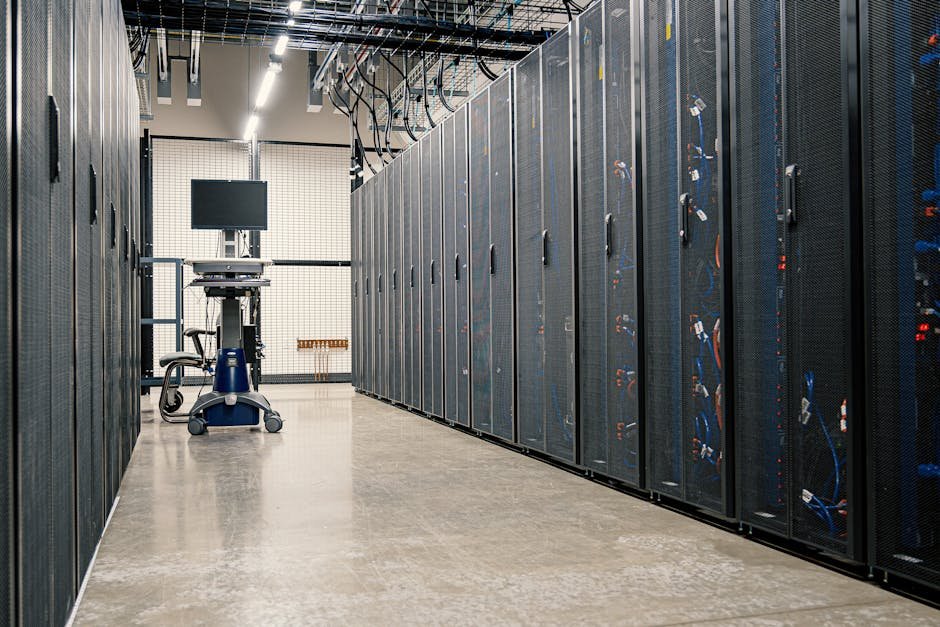
What surprises most people is how complex this process actually is. We’re talking about servers that handle thousands of simultaneous connections, manage massive bandwidth requirements, and ensure synchronized audio and video delivery — all within milliseconds.
The Technical Side You Should Know
IPTV servers rely on several protocols to function properly. The most common ones you’ll encounter include:
- RTMP (Real-Time Messaging Protocol) — Great for low-latency streaming
- HLS (HTTP Live Streaming) — Apple’s protocol that’s become industry standard
- MPEG-DASH — Adaptive streaming that adjusts quality based on your connection
- UDP and TCP protocols — The underlying transport mechanisms
You don’t need to be a tech expert to choose good iptv servers, but understanding these basics helps you ask the right questions when evaluating providers.
Types of IPTV Servers in 2026
The IPTV landscape has evolved significantly, and today’s servers fall into several distinct categories. Let’s break them down so you know what you’re actually getting.
Dedicated IPTV Servers
These are servers exclusively allocated to IPTV streaming. They’re not sharing resources with websites, databases, or other applications. If you’re serious about quality, dedicated iptv servers are what you want to look for.
The performance difference is noticeable. You’ll experience fewer buffering issues, better uptime, and more consistent quality during peak hours. Sure, they cost more, but you’re paying for reliability.
Shared Server Infrastructure
Many budget providers use shared servers where IPTV is just one of many services running on the same hardware. Can they work? Absolutely. Are they as reliable? That’s where things get tricky.
During off-peak hours, you might not notice any difference. But when everyone’s streaming the Super Bowl or a popular series premiere, shared servers can buckle under pressure.
Cloud-Based IPTV Servers
This is where the industry’s headed in 2026. Cloud-based iptv servers use distributed networks with multiple data centers. If one server goes down, your stream automatically switches to another without interruption.
Providers like those featured at IPTV Smarters Pro are increasingly adopting cloud infrastructure for its scalability and reliability. It’s more expensive to maintain, but the user experience is significantly better.
Key Factors That Determine IPTV Server Quality
Not sure how to evaluate different iptv servers? Here are the factors that actually matter for your viewing experience.
Server Location and CDN Coverage
Geography matters more than you’d think. The physical distance between you and the IPTV server affects latency. That’s why the best providers use Content Delivery Networks (CDNs) with servers distributed globally.
If you’re in North America but your server’s in Europe, you’re adding 100-200 milliseconds of delay. For live sports or news, that lag is noticeable and frustrating.
Bandwidth and Processing Power
Here’s a quick comparison of what different server configurations can handle:
| Server Specification | Concurrent Users | Max Quality | Reliability Score |
|---|---|---|---|
| Basic Shared (8GB RAM) | 50-100 | 720p | Fair |
| Mid-Tier Dedicated (16GB RAM) | 200-500 | 1080p | Good |
| Premium Cloud (32GB+ RAM) | 1000+ | 4K/HDR | Excellent |
| Enterprise CDN | 10,000+ | 4K/HDR | Outstanding |
Your provider’s infrastructure directly impacts what quality they can consistently deliver. If they’re promising 4K on basic hardware, they’re overselling their capabilities.
Uptime and Redundancy
What’s the server’s track record? Reputable providers should offer 99.5% uptime or better. The best ones have redundant systems — backup servers that kick in automatically if the primary ones fail.
Before committing, check if the provider offers an M3U Subscription Checker to verify server status and availability. This transparency is a good sign you’re dealing with a legitimate operation.
How to Choose Reliable IPTV Servers
You’re probably wondering: with all these options, how do I actually pick the right one? Here’s a practical approach that’s worked for thousands of users in 2026.
Step 1: Research the Provider’s Infrastructure
Don’t just take marketing claims at face value. Look for providers who are transparent about their server locations, technology stack, and network architecture. Visit pages like IPTV Servers to compare different options side-by-side.
Step 2: Test Before You Commit
Any reputable provider offers trial periods or money-back guarantees. Use them. Stream during different times of day, try various channels, test on multiple devices. Pay special attention to:
- Stream startup time (should be under 3 seconds)
- Buffering frequency during peak hours
- Quality consistency across different channels
- How the service handles switching between channels
- Performance on your specific internet speed
Step 3: Evaluate Customer Support
When iptv servers encounter issues (and they will occasionally), responsive support makes all the difference. Test their response time before subscribing. Reach out through their Contact Us page with a pre-sales question and see how quickly they respond.
Common IPTV Server Problems and Solutions
Even the best servers can run into issues. Here’s what you might encounter and how to handle it.
Buffering and Lag
This is usually a server overload issue. If it’s happening consistently at the same times daily (like evenings), the provider’s iptv servers can’t handle peak demand. You’ll need to either switch providers or upgrade to a premium tier with better infrastructure.
However, sometimes the problem’s on your end. Run a speed test — you need at least 25 Mbps for HD streaming, 50+ for 4K. Check if other devices are hogging bandwidth.
Channel Unavailability
Occasionally, specific channels go down while others work fine. This often indicates the provider’s losing their source feed for that content. Legitimate providers usually resolve this within hours. If it’s persistent, that’s a red flag about their server management.
Authentication Errors
These typically point to server-side issues with license validation. Your credentials are fine, but the server can’t verify them. This shouldn’t happen often with quality providers. If you’re seeing this regularly, the server infrastructure isn’t enterprise-grade.
The Future of IPTV Servers
Where’s this technology headed? Based on what we’re seeing in 2026, several trends are reshaping how iptv servers operate.
Edge computing is becoming standard, placing servers closer to end users for reduced latency. AI-powered load balancing automatically distributes traffic across servers before bottlenecks occur. And adaptive bitrate technology is getting smarter, seamlessly adjusting quality based on real-time network conditions.
We’re also seeing increased adoption of HEVC (H.265) and AV1 codecs, which deliver better quality at lower bitrates. This means less strain on servers and smoother streaming for you, even on slower connections.
For those exploring IPTV as a business, check out available IPTV Templates that can help you understand server requirements for different service models.
Making Your Final Decision
Choosing the right iptv servers comes down to matching your needs with the provider’s capabilities. If you’re a casual viewer watching occasionally, mid-tier shared servers might serve you just fine. But if you’re streaming daily, especially live sports or premium content in 4K, investing in a provider with dedicated or cloud-based infrastructure is worth every penny.
Don’t chase the cheapest option — you’ll end up frustrated and server-hopping. Look for the sweet spot of reliability, performance, and value. Read recent reviews from 2026, not outdated testimonials from years ago. Technology moves fast, and a provider who was great in 2024 might’ve oversold their capacity by now.
What matters most is consistent performance when you actually want to watch something. Because let’s be honest — the best iptv servers are the ones you never have to think about. They just work, every time you press play.
For more resources and comparisons of current providers, explore the various guides at trusted IPTV platforms that evaluate server performance and reliability. Your perfect streaming setup is out there — it just takes a bit of research to find it.