
If you’re exploring the world of internet-based television, understanding IPTV servers is absolutely essential. These servers are the backbone of your streaming experience, determining everything from channel availability to video quality. In 2026, the landscape has evolved dramatically, and knowing what makes a reliable server can mean the difference between smooth 4K streaming and constant buffering headaches.
Here’s the thing: not all IPTV servers are created equal. Whether you’re a service provider looking to set up your own infrastructure or a consumer trying to understand what you’re paying for, this guide will walk you through everything you need to know about how these systems work and what separates the good from the mediocre.
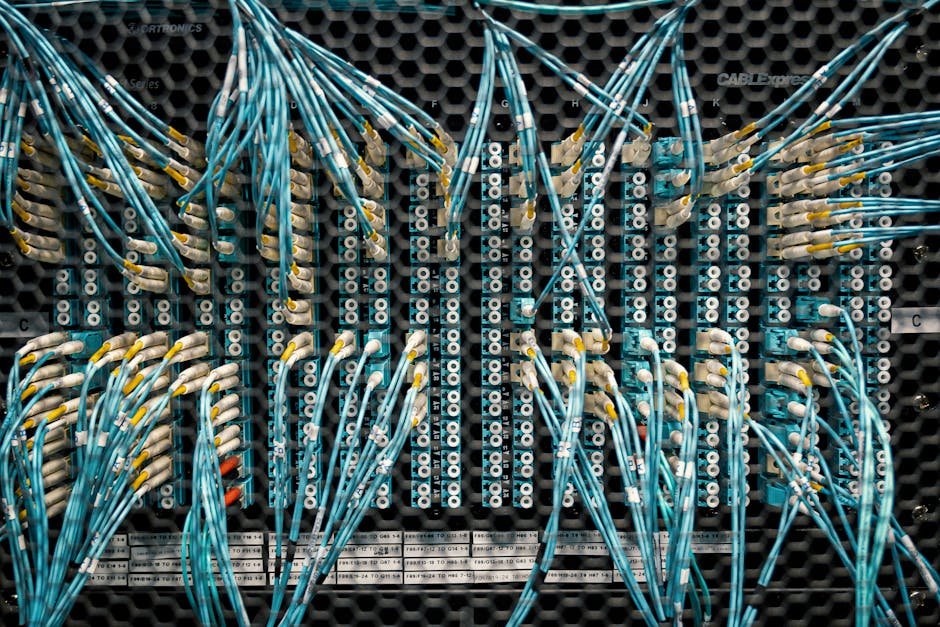
What Are IPTV Servers and How Do They Work?
IPTV servers are specialized computer systems that store, process, and deliver television content over internet protocol networks. Unlike traditional broadcasting methods that send signals through satellite dishes or cable lines, these servers stream content directly to your device using your internet connection.
Think of an IPTV server as a massive digital library combined with a sophisticated traffic controller. It’s constantly receiving content from various sources—live TV channels, on-demand movies, sports broadcasts—and then packaging that content into data streams that can be sent to thousands of users simultaneously.
The Technical Components That Matter
When we talk about IPTV servers, we’re really discussing several interconnected components working together:
- Content Delivery Networks (CDNs): These distribute content across multiple geographic locations to reduce latency
- Middleware: The software layer that manages user requests, billing, and content access
- Transcoding engines: These convert video formats to match different devices and bandwidth capabilities
- Database systems: Store user information, channel lineups, and electronic program guides
- Load balancers: Distribute viewer traffic across multiple servers to prevent overload
The sophistication of these systems has increased dramatically. Modern servers in 2026 can handle adaptive bitrate streaming, meaning they automatically adjust video quality based on your internet speed in real-time.
Types of IPTV Servers You’ll Encounter
Not every streaming service uses the same type of server infrastructure. Understanding these differences helps you make informed decisions about which services to trust.
Dedicated IPTV Servers
These are physical servers exclusively devoted to IPTV streaming. They’re typically housed in professional data centers with redundant power supplies, high-speed internet connections, and 24/7 monitoring. Most legitimate commercial services use dedicated infrastructure because it offers the best performance and reliability.
Cloud-Based IPTV Servers
Cloud infrastructure has become increasingly popular. Providers like those featured on IPTV Servers often use cloud solutions because they can scale resources up or down based on demand. During major sporting events, for example, the system can automatically allocate more processing power to handle the surge in viewers.
Hybrid Systems
Many modern providers combine dedicated hardware with cloud resources. They maintain core infrastructure on dedicated servers while using cloud services for overflow capacity and geographic distribution. This approach offers both stability and flexibility.
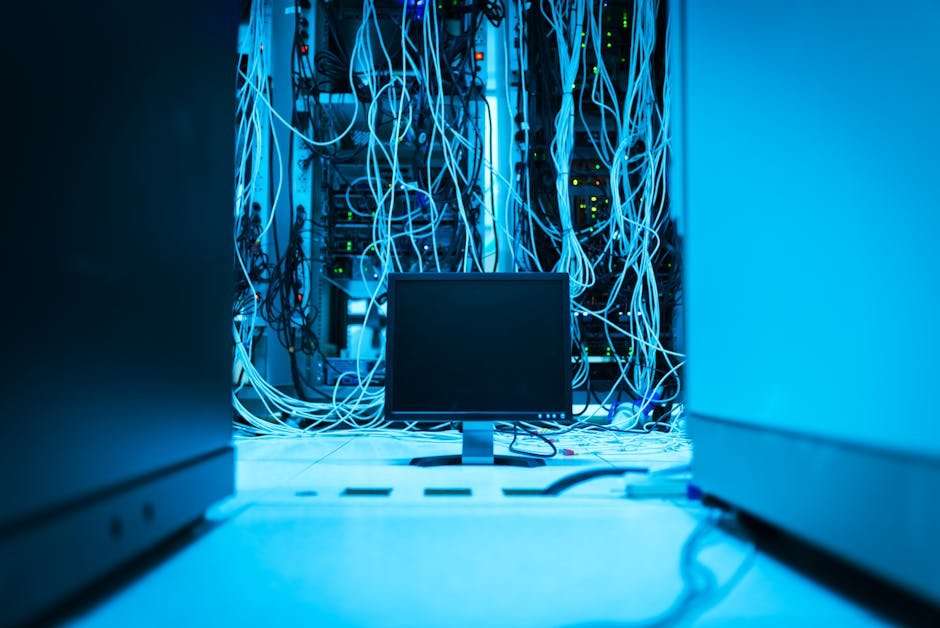
Key Features That Define Quality IPTV Servers
What separates professional-grade IPTV servers from amateur setups? Let’s break down the features that actually matter for your viewing experience.
Uptime and Reliability
The best servers maintain 99.9% uptime or higher. This means less than nine hours of downtime per year. Professional providers achieve this through redundant systems, backup generators, and failover mechanisms that automatically switch to backup servers if the primary system encounters problems.
Bandwidth Capacity
Server bandwidth determines how many concurrent viewers can stream content without degradation. A quality provider invests in multi-gigabit connections and peering agreements with major internet backbone providers to ensure smooth delivery even during peak hours.
Geographic Distribution
Server location matters more than most people realize. Content delivered from a server on the other side of the world will have higher latency than content from a nearby server. Top-tier services maintain server farms across multiple continents.
| Feature | Budget Servers | Premium Servers |
|---|---|---|
| Uptime Guarantee | 95-97% | 99.9%+ |
| Concurrent Streams | Limited | Unlimited/High Cap |
| CDN Integration | None/Basic | Multi-Region |
| Technical Support | Email Only | 24/7 Live Support |
| Content Updates | Manual/Delayed | Automated/Real-time |
How to Evaluate IPTV Server Performance
You don’t need to be a network engineer to assess whether your IPTV service is using quality servers. Here are practical ways to evaluate performance that anyone can understand.
Testing Connection Quality
Start by using tools like the M3U Subscription Checker to verify your stream links are active and properly configured. This simple step can reveal server issues before you commit to a long-term subscription.
Watch for these warning signs that indicate server problems:
- Frequent buffering: If your internet connection is stable but streams still buffer constantly, the server’s likely overloaded
- Resolution drops: Quality should remain consistent unless your own bandwidth fluctuates
- Channel loading delays: Switching channels should take 2-3 seconds maximum; longer waits suggest poor server response times
- Peak hour degradation: If service quality plummets during evenings or weekends, the provider hasn’t invested in adequate capacity
- Complete outages: Occasional brief interruptions are normal, but frequent multi-hour outages indicate infrastructure problems
Security Considerations for IPTV Servers
Here’s something that doesn’t get discussed enough: server security directly impacts your privacy and service reliability. Poorly secured servers are vulnerable to attacks that can expose user data or cause service disruptions.
Professional IPTV servers in 2026 implement multiple security layers including encrypted connections, DDoS protection, and secure authentication systems. When evaluating providers, ask about their security protocols. Legitimate services will be transparent about their security measures.
What surprises most people is that server security also affects content licensing. Providers operating legal services need robust security to protect copyrighted content from unauthorized access and redistribution. This protection benefits everyone by ensuring the service remains operational long-term.
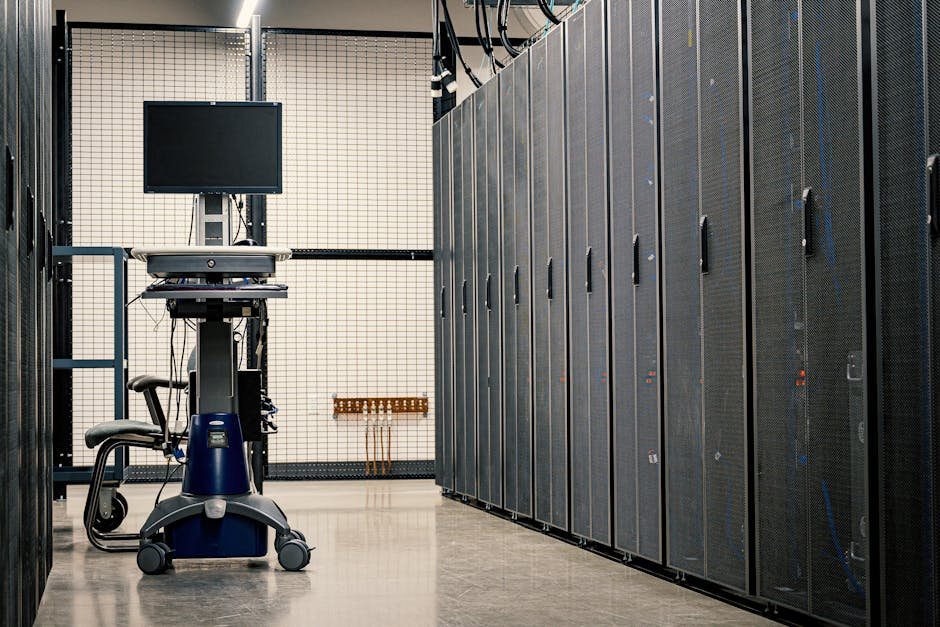
Setting Up Your Own IPTV Server Infrastructure
Thinking about launching your own IPTV service? The server infrastructure is your most critical investment. You’ll need to decide between building your own data center, renting dedicated servers, or using cloud infrastructure.
For most new providers, starting with a hybrid approach makes sense. Rent dedicated servers for core functionality while using cloud services from providers like IPTV Smarters Pro for scalability and additional features. This minimizes upfront costs while maintaining professional quality.
Consider exploring IPTV Templates that can help you launch faster with pre-configured server setups designed specifically for streaming services.
Essential Technical Requirements
If you’re serious about providing quality service, here’s what your server infrastructure needs:
- Minimum 1Gbps dedicated bandwidth (10Gbps preferred for larger operations)
- SSD storage for fast content retrieval
- At least 64GB RAM for handling concurrent connections
- Modern CPU with high clock speeds (streaming is processor-intensive)
- Linux-based operating system (CentOS or Ubuntu Server are popular choices)
- Professional streaming software like Xtream Codes or similar platforms
The Future of IPTV Server Technology
The technology powering IPTV servers continues evolving rapidly. In 2026, we’re seeing exciting developments that will shape the next generation of streaming services.
Edge computing is becoming increasingly important. Instead of routing all traffic through centralized servers, edge computing places smaller servers closer to end users. This dramatically reduces latency and improves quality, especially for live sports and gaming content where every millisecond matters.
Artificial intelligence is also transforming server management. Modern systems use AI to predict traffic patterns, optimize bandwidth allocation, and even detect potential technical issues before they impact users. This predictive maintenance approach keeps services running smoothly with minimal human intervention.
Choosing the Right IPTV Server Provider
Whether you’re selecting a streaming service for personal use or choosing infrastructure for your business, the server quality should be your primary consideration. Don’t be swayed solely by channel counts or pricing—these mean nothing if the underlying servers can’t deliver consistent performance.
Ask potential providers specific questions about their infrastructure. Where are their servers located? What’s their guaranteed uptime? How do they handle traffic spikes? Reputable companies will answer these questions confidently because they’ve invested properly in their infrastructure.
You can also reach out through the Contact Us page to get personalized recommendations based on your specific needs and geographic location.
Common Mistakes to Avoid
Over the years, I’ve seen countless people make the same errors when dealing with IPTV servers. Let me save you some headaches.
First, don’t assume all servers in the same data center offer the same quality. Server configuration, software optimization, and network routing matter just as much as physical location. Two providers in the same building can offer vastly different experiences.
Second, extremely cheap services almost always indicate corner-cutting on server infrastructure. If a provider is charging significantly less than competitors, they’re likely overloading their servers or using unreliable hosting. The money you save upfront will be lost in frustration from poor performance.
Third, don’t ignore trial periods. Any legitimate provider confident in their server infrastructure will offer a short trial or money-back guarantee. This lets you test actual performance rather than relying on marketing promises.
Making Your Decision
Understanding IPTV servers might seem technical, but it’s really about recognizing quality when you see it. Focus on providers who invest in proper infrastructure, maintain transparency about their technology, and demonstrate consistent performance over time.
The streaming landscape in 2026 offers more options than ever before. By understanding what makes servers reliable and how to evaluate them, you’re equipped to make choices that’ll give you years of quality entertainment without the frustration of technical problems.
Remember that server quality isn’t just about avoiding buffering—it’s about supporting services that operate sustainably and legally, protecting your privacy through proper security measures, and ensuring you get the full value from your subscription.